Why Having a Website is a More Valuable Digital Asset
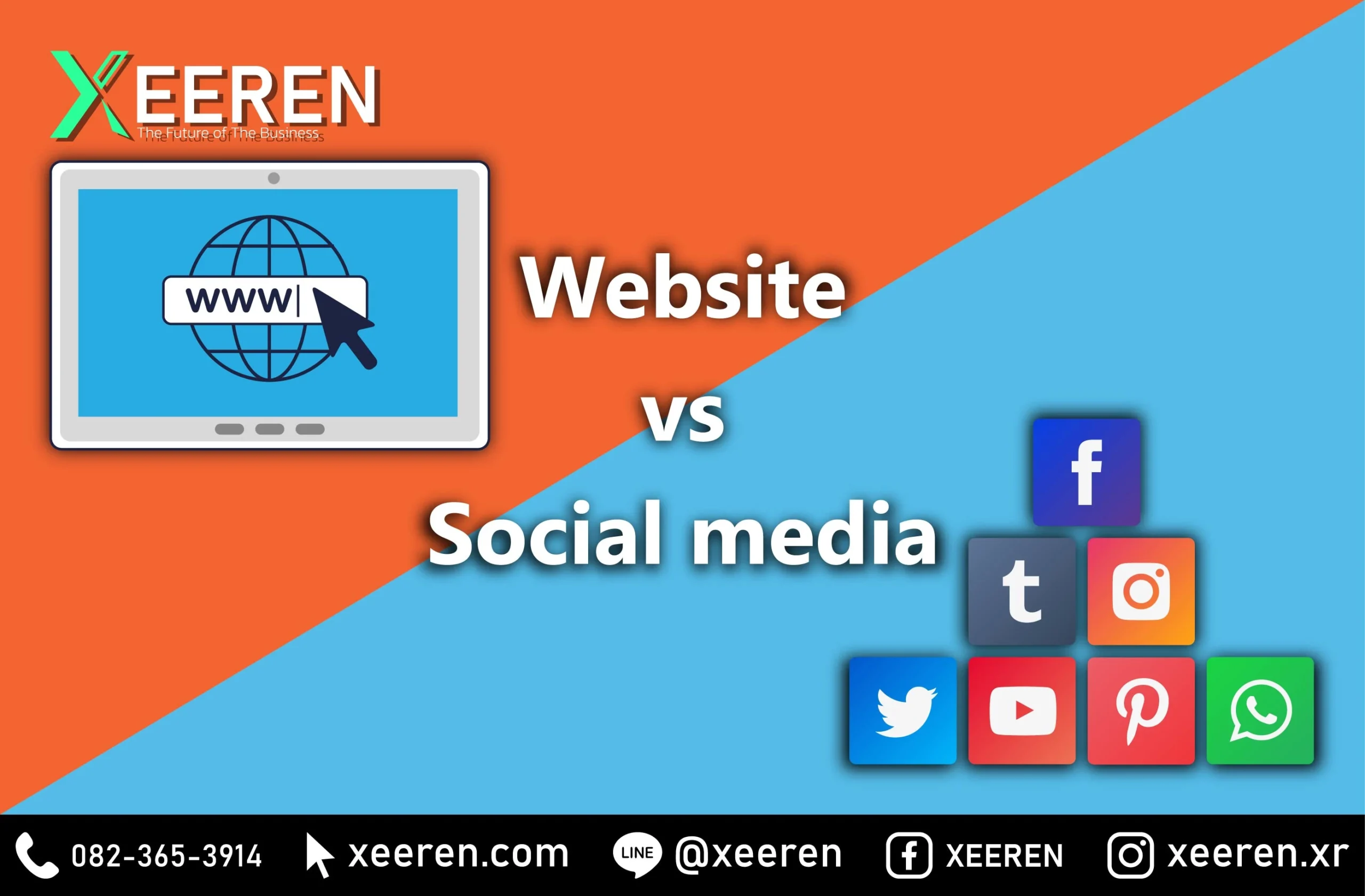
In the digital era where businesses compete with each other online, many people wonder: 'Do businesses really need a website when there are free social media platforms available?' The answer is yes—they absolutely do. A website is essential because it's not just an online storefront; it's a valuable digital asset that delivers long-term returns. Let's understand why owning a website is more worthwhile than relying on social media alone.
Advantages of Social Media
-
Free to use. No charges for creating an account.
-
Quick communication, easy access, and simple to use.
-
Create your own content and build a strong brand.
-
Reach a larger target audience, especially when running ads.
-
Tracking and comparing with competitors is simple.
Advantages of Websites
1. A website is your home and asset that you own 100%.
Having a website is like owning your own home. You can customize everything exactly the way you want—from the design and layout to how you present your content. And you can do this without any restrictions or rules that limit you on social media platforms.
“A website is a digital asset that you can own 100% outright”. This is a key difference that makes websites more valuable than social media, because you don't have to worry about the platform shutting down or changing its rules without notice.
2. Build trust in your business
Businesses with their own website are generally more trustworthy than those relying only on social media or online marketplaces. Having a professionally designed website with complete information helps build your business's credibility and reputation.
For businesses that want to showcase their identity and build customer trust, a website can help them apply for electronic commerce registration from the Department of Business Development. This way, they can display the official DBD symbol on their website.
3. Increase access to customers
Websites help businesses connect with customers anytime and anywhere. Customers don't have to travel to a physical store or office anymore. They just need an internet connection to browse products and services.
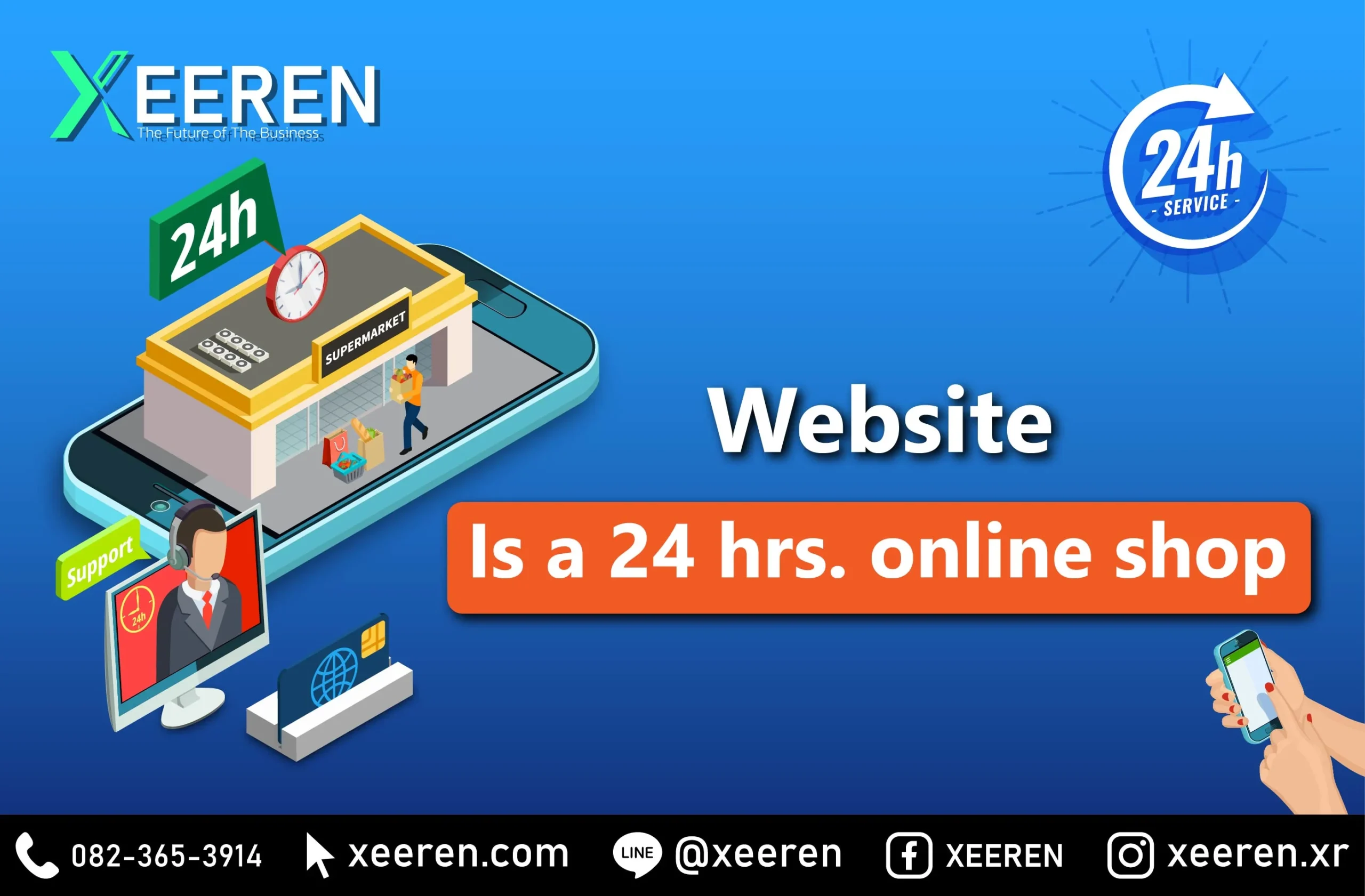
Additionally, the website lets customers buy products and services anytime, 24 hours a day. This is especially great for e-commerce businesses, as it can boost their sales a lot through online channels.
4. No need to lose benefits to other platforms
If you sell on other platforms, you might have to share a percentage of your sales with them. But if you have your own website, you don't need to give any profit away—you can keep 100% of your earnings.
Additionally, you can come up with strategies or run promotions freely without worrying about commission cuts or reduced product visibility if you don't advertise on the platform.
5. Boost your marketing via SEO
Having a website helps businesses plan their online marketing strategies, especially SEO (Search Engine Optimization). It's an effective way that's easy to measure results clearly.
Creating a blog to promote your brand using SEO helps get your brand ranking higher in Google searches. When people look for info on related products or services, they're much more likely to find your website.
6. Reduce long-term expenses
Compared to opening a physical store or office, a website significantly reduces costs such as rent, staff wages, and other overhead expenses. Moreover, the costs of building and maintaining a website are much lower than renting a shop in a prominent mall or constructing an office in a high-rise building.
Additionally, the website can operate on your behalf 24/7, selling products for you, presenting goods and services, and handling customer inquiries worldwide, thereby saving you the expense of hiring additional staff.
7. Increase long-term business value
A website is not just a marketing tool, but a valuable asset that can continuously increase in value. There are case studies of entrepreneurs who built websites reaching seven-figure valuations within the first two years, with interested buyers offering six-figure prices.
Additionally, the website can serve as proof for loan applications or financial transactions, such as applying for a car loan, demonstrating that it holds real value as an actual asset.
8. Collect more customer data
The website enables businesses to track customer usage behavior, such as collecting data through membership signup forms or installing behavior analysis tools like Google Analytics.
This data is highly valuable for marketing planning and product or service development, enabling businesses to better meet customer needs and adjust strategies more effectively.
In summary : Why is a website essential for modern businesses
Although there are numerous social media platforms available online, websites remain highly valuable and worthwhile digital assets for investment. This is because consumer behavior has changed. Modern consumers spend most of their time online. Searching for product and service information through the internet has become commonplace, and lacking a website could cause businesses to miss key marketing opportunities.
Therefore, investing on a quality website is a worthwhile long-term investment. It's like buying a house of your own instead of renting, which there may be upfront costs but it will give worthwhile returns in the long term, helping your business grow sustainably in the online world.